Modafinil or Adrafinil? Here’s the Smarter Pick (and Why It Matters)
When it comes to cognitive enhancers, modafinil and adrafinil are often grouped together, and for good reason. Both promote wakefulness and both originate from the same parent molecule. In reality, however, the two substances differ sharply in effectiveness, safety, regulation, and the extent to which their long-term effects are understood. If you are deciding between them, here is what you need to know, based on evidence rather than speculation.

What Are Modafinil and Adrafinil?
Modafinil (brand name: Provigil) is a prescription-only drug approved by the FDA to treat conditions like narcolepsy, obstructive sleep apnea, and shift work sleep disorder (FDA, 2007). It has been extensively studied and is considered a relatively safe alternative to traditional stimulants, with a unique mechanism that promotes wakefulness without causing hyperactivity.
Adrafinil, on the other hand, is a prodrug that converts to modafinil in the liver. Developed before modafinil, it is now sold in the U.S. as a supplement or nootropic, which allows it to bypass pharmaceutical regulation (Lowe et al., 2021).
Key distinction: Modafinil is regulated, researched, and prescribed. Adrafinil is unregulated, under-researched, and sold over the counter, often without adequate consumer warnings.
How They Work: Similar Yet Unequal
Both drugs affect brain chemistry to promote alertness, but their pharmacology reveals subtle and important differences.
🧠 Mechanism of Action
Modafinil likely exerts its wake-promoting effects by inhibiting the dopamine transporter, which increases extracellular dopamine levels in specific brain regions (FDA, 2007). It also affects orexin, glutamate, and GABA systems, although its exact mechanism is still not fully understood.
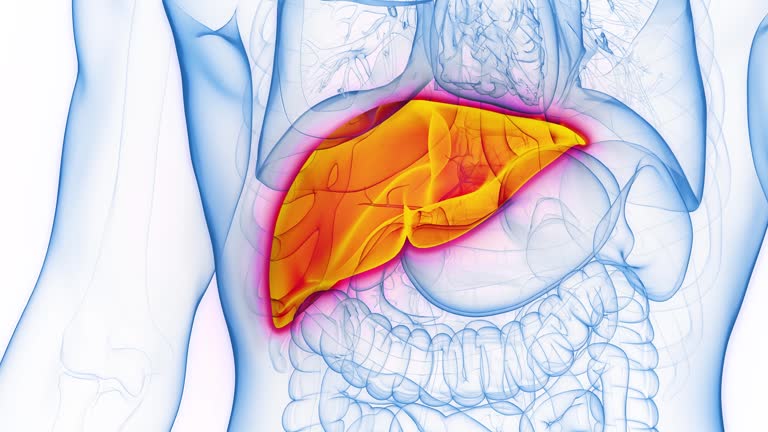
Adrafinil is metabolized in the liver into modafinil, but that extra metabolic step matters. Not only does it create greater variability in how people respond, but it also places more stress on the liver (Siwak et al., 2000). Additionally, the presence of inactive or partially active metabolites means the effects of adrafinil are less predictable and less efficient.
Safety and Side Effects: The Risks You Might Miss
While both drugs can cause side effects such as insomnia, irritability, and gastrointestinal discomfort, adrafinil’s safety profile is far less clear and may carry greater risk.
Case Study: Adrafinil-Induced Dyskinesia
In a documented case, a 75-year-old man developed irreversible orofacial dyskinesias, which are involuntary jaw and facial movements, after prolonged adrafinil use. Even four months after stopping the drug, the symptoms persisted and required treatment with tetrabenazine, a potent dopaminergic depleting agent (Thobois et al., 2004).
“This indicates that as in the case of neuroleptic tardive dyskinesias, movement disorders are not always reversible” (Thobois et al., 2004).
⚖️ Regulatory Oversight: A Stark Contrast
Modafinil is a Schedule IV controlled substance in the U.S., with dosage, distribution, and safety guidelines tightly regulated. Adrafinil, sold online as a “nootropic,” is entirely unregulated, which raises concerns about purity, sourcing, and dosage variability (Lowe et al., 2021).
Efficacy: Modafinil Has the Research Edge
Numerous randomized controlled trials support modafinil’s effectiveness in reducing excessive sleepiness and improving wakefulness in clinical populations (FDA, 2007; Billiard & Broughton, 2018).
In contrast, the bulk of adrafinil research dates back to the 1980s and early 1990s. Most studies were small, conducted in France, and involved elderly patients with cognitive impairments (Billiard & Broughton, 2018; Lowe et al., 2021). Many were not translated into English or peer-reviewed by today’s standards.
🧪 User Experience vs. Clinical Trials
A systematic review of 49 online adrafinil user reports showed highly inconsistent dosing, effects, and sources. Users cited both mild cognitive enhancement and severe side effects, with many using it as a substitute for harder-to-access prescription stimulants (Lowe et al., 2021).
Animal Studies: Promising but Not Predictive
In controlled studies with aged canines, adrafinil improved motivation and cognitive performance without inducing anxiety or stereotypical behavior (Siwak et al., 2000). While promising, such results don’t reliably translate to humans, especially in younger or healthy individuals.
Bottom Line: Which Is the Smarter Pick?
Modafinil clearly wins in terms of:
- Scientific support (multiple peer-reviewed, placebo-controlled trials)
- Regulation and safety monitoring
- Consistency in efficacy
- Lower risk of severe side effects
Adrafinil may still appeal to individuals who:
- Lack access to prescription medications
- Want to experiment with nootropics
- Are willing to accept higher risks for potentially lower cost
But for those who value predictable outcomes, medical oversight, and minimized risk, modafinil is the smarter, safer choice.
🔍 References
- Billiard, M., & Broughton, R. (2018). Modafinil: Its discovery, the early European and North American experience in the treatment of narcolepsy and idiopathic hypersomnia, and its subsequent use in other medical conditions. Sleep Medicine, 49, 69–72. https://doi.org/10.1016/j.sleep.2018.05.027
- Lowe, D. W., Dobson, E., Jewett, A. G., & Whisler, E. E. (2021). Adrafinil: Psychostimulant and purported nootropic. The American Journal of Psychiatry Residents’ Journal, 17(1), 7–9. https://doi.org/10.1176/appi.ajp-rj.2021.170105
- Siwak, C. T., Callahan, H., & Milgram, N. W. (2000). Adrafinil: Effects on behavior and cognition in aged canines. Progress in Neuro-Psychopharmacology and Biological Psychiatry, 24(5), 709–726. https://doi.org/10.1016/S0278-5846(00)00103-2
- Thobois, S., Xie, J., Mollion, H., Benatru, I., & Broussolle, E. (2004). Adrafinil-induced orofacial dyskinesia. Movement Disorders, 19(8), 965–966. https://doi.org/10.1002/mds.20154
- U.S. Food and Drug Administration. (2007). PROVIGIL® (modafinil) tablets [Prescribing information]. U.S. Department of Health and Human Services. https://www.accessdata.fda.gov/drugsatfda_docs/label/2007/020717s020s013s018lbl.pdf