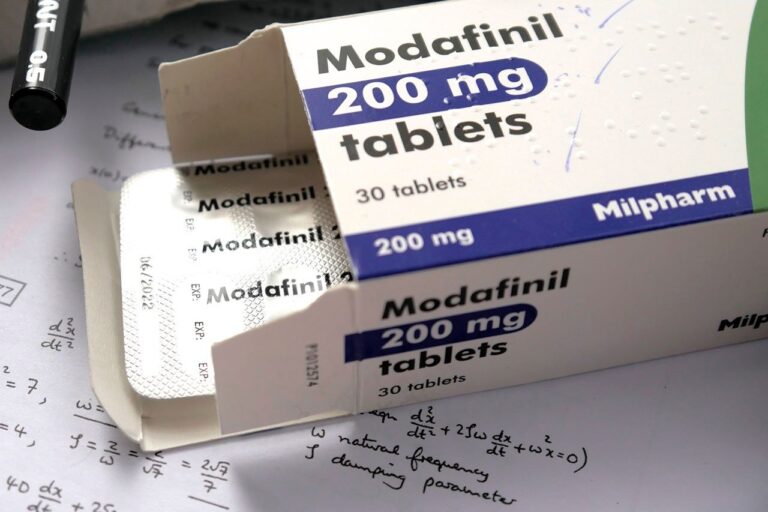
Famous People Who Use Modafinil
Few prescription drugs have developed an internet reputation quite like modafinil.
Originally developed to treat narcolepsy and other sleep disorders, it gradually moved beyond medical use and started showing up in startup forums, poker communities, biohacking blogs, and eventually podcasts with millions of listeners. Somewhere along the way, the drug stopped being known primarily as a treatment for excessive daytime sleepiness and started being talked about as a smart drug for ambitious people trying to work longer, focus harder, and function on less sleep.
That reputation grew much faster than the evidence behind it. Research into modafinil’s cognitive effects in healthy people has produced mixed and often modest results — nothing close to the transformation the internet described. Still, once people started talking online about a drug that could extend focus and blunt fatigue, the idea spread fast.

Joe Rogan
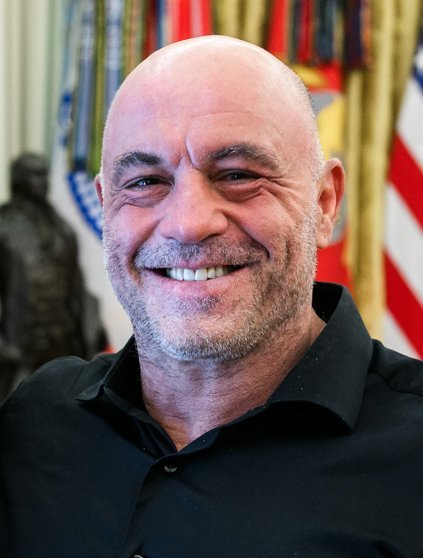
Joe Rogan built one of the stranger media careers in modern entertainment. Long before podcasting made him one of the internet’s most influential interviewers, he was known as a stand-up comedian and as the host of Fear Factor, NBC’s early-2000s reality show where contestants ate insects, dangled from helicopters, and endured various other indignities for cash. A lot of people’s first impression of Rogan was basically: that guy who made people drink blended rats.
Over time, though, Rogan became more associated with long-form conversations about fitness, psychedelics, hunting, martial arts, testosterone replacement, and cognitive enhancement. Modafinil fit naturally into that world. He has spoken about it publicly on multiple occasions, often comparing it favorably to caffeine — describing a more sustained alertness without the jittery edge.
Those conversations, repeated across hundreds of episodes and clipped across social media, helped transform modafinil from a relatively obscure prescription medication into something that sounded almost mythical. Part of that mythology came from the perception that it was different from traditional stimulants. Researchers have noted that while modafinil does affect dopamine systems, it appears to produce far less euphoric stimulation than amphetamine-based drugs — which made it easier to talk about as a tool rather than a high.
Tim Ferriss
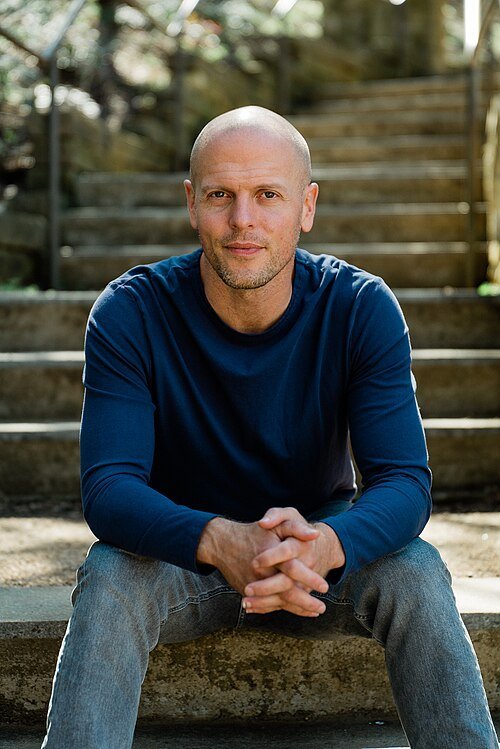
If Rogan helped normalize public conversations about nootropics, Tim Ferriss helped turn self-optimization into an industry.
Ferriss became famous after publishing The 4-Hour Workweek in 2007, a bestselling book that encouraged readers to rethink work, outsourcing, and personal efficiency. It arrived at exactly the right moment — remote work was rising, startup culture was accelerating, and the idea that the right systems could make you dramatically more productive than everyone else had become genuinely appealing. Ferriss developed a reputation as someone willing to experiment on himself: sleep schedules, supplements, endurance training, diets, cognitive enhancers, nearly everything became material.
Modafinil entered that conversation early. He has discussed using it during periods of intense work and travel, usually more cautiously than his online reputation implies. Even the medical literature stays careful here — the precise benefits and risks of modafinil as a cognitive enhancer in healthy people remain genuinely uncertain, and Ferriss generally acknowledged that.
More than anything, Ferriss helped popularize the idea that cognition was something measurable and adjustable rather than fixed — and that pharmaceuticals were one legitimate tool among many worth testing.
Dave Asprey

Dave Asprey became one of the most recognizable faces of early biohacking through podcasts, supplements, and especially Bulletproof Coffee — the butter-and-MCT-oil concoction that somehow became a genuine cultural moment in the early 2010s.
Before biohacking became Instagram content, Asprey was publicly experimenting with diets, fasting, neurofeedback, sleep tracking, and cognitive enhancers. He has discussed taking modafinil for years, often framing it as a tool for maintaining focus during demanding stretches of work. His enthusiasm introduced the drug to readers and listeners who might never have encountered it outside a sleep clinic.
The gap between that enthusiasm and the actual evidence is worth noting. Modafinil is generally well tolerated, but common side effects include anxiety, insomnia, dizziness, appetite suppression, and nausea. Rare but serious skin reactions have also been reported. The internet version of modafinil — clean, consequence-free, dramatically effective — was always a simplified version of the real thing.
Sam Altman and Armodafinil

The conversation eventually reached AI culture as well.
Sam Altman, now best known as the CEO of OpenAI, became connected to online discussions about armodafinil after quotes circulated describing the drug as capable of producing twenty productive hours in a day. Whether every version of that quote is perfectly sourced is hard to determine. In founder circles, it spread because it matched an image people already had of startup culture — exhausted, wired, trying to squeeze more output from the same twenty-four hours.
Armodafinil is closely related to modafinil: it’s the R-enantiomer of the same compound, sold separately under brand names like Nuvigil. Online communities often describe it as longer-lasting or smoother, though the two drugs blur together in most non-clinical discussions.
Athletes and the Doping Problem
Modafinil’s reputation eventually expanded beyond entrepreneurs and podcast hosts into professional sport — and into considerably more trouble.
The drug became controversial after sprinter Kelli White tested positive during the 2003 World Championships. White had just won gold medals in both the 100-meter and 200-meter events, which made the case impossible to ignore. The debate that followed was genuinely complicated: unlike anabolic steroids, modafinil wasn’t about muscle growth. It was associated with wakefulness, focus, reaction time, and resistance to fatigue — a different kind of enhancement, and one that sports officials spent years trying to classify.
The World Anti-Doping Agency eventually banned the drug, but the episode revealed something about where performance enhancement was heading. Size and strength were no longer the only frontier. Concentration and the ability to keep functioning under exhaustion had become competitive advantages too.
Barry Bonds also became connected to modafinil discussions during the broader performance-enhancement scandals in professional baseball during the same era, though the connection there was thinner and largely absorbed into a much larger story.
The Political Rumors
At some point, modafinil’s association with grueling schedules made it almost inevitable that people would start projecting it onto visibly exhausted public figures.
Rumors about Barack Obama emerged largely from speculation about how a president manages international travel and a schedule that doesn’t allow for recovery. No public evidence has confirmed he used modafinil. Something similar happened around Hillary Clinton after reports surfaced that aides had researched Provigil — one of modafinil’s brand names — during the 2010s. The existence of a search became, online, confirmation of use.
By that point, modafinil had become almost synonymous online with overwork and sleepless productivity. People started seeing it wherever they saw extreme schedules.
By the 2010s, modafinil had traveled a long way from the sleep clinic. The stories surrounding it ranged from documented to plausible to almost certainly invented.
The science stayed mixed. The reputation didn’t.