Can Modafinil and Fluoxetine Be Taken Together for Depression?
Modafinil and fluoxetine have been used together in clinical research for major depression. In one small randomized trial, patients receiving both drugs improved more over six weeks than patients receiving fluoxetine with placebo.
The combination is not a standard first-line treatment. It may be considered in selected cases, particularly when depression includes marked fatigue, sleepiness or slowed functioning, but both medications can also increase anxiety, insomnia, appetite loss and mood activation.

What Are Fluoxetine and Modafinil?
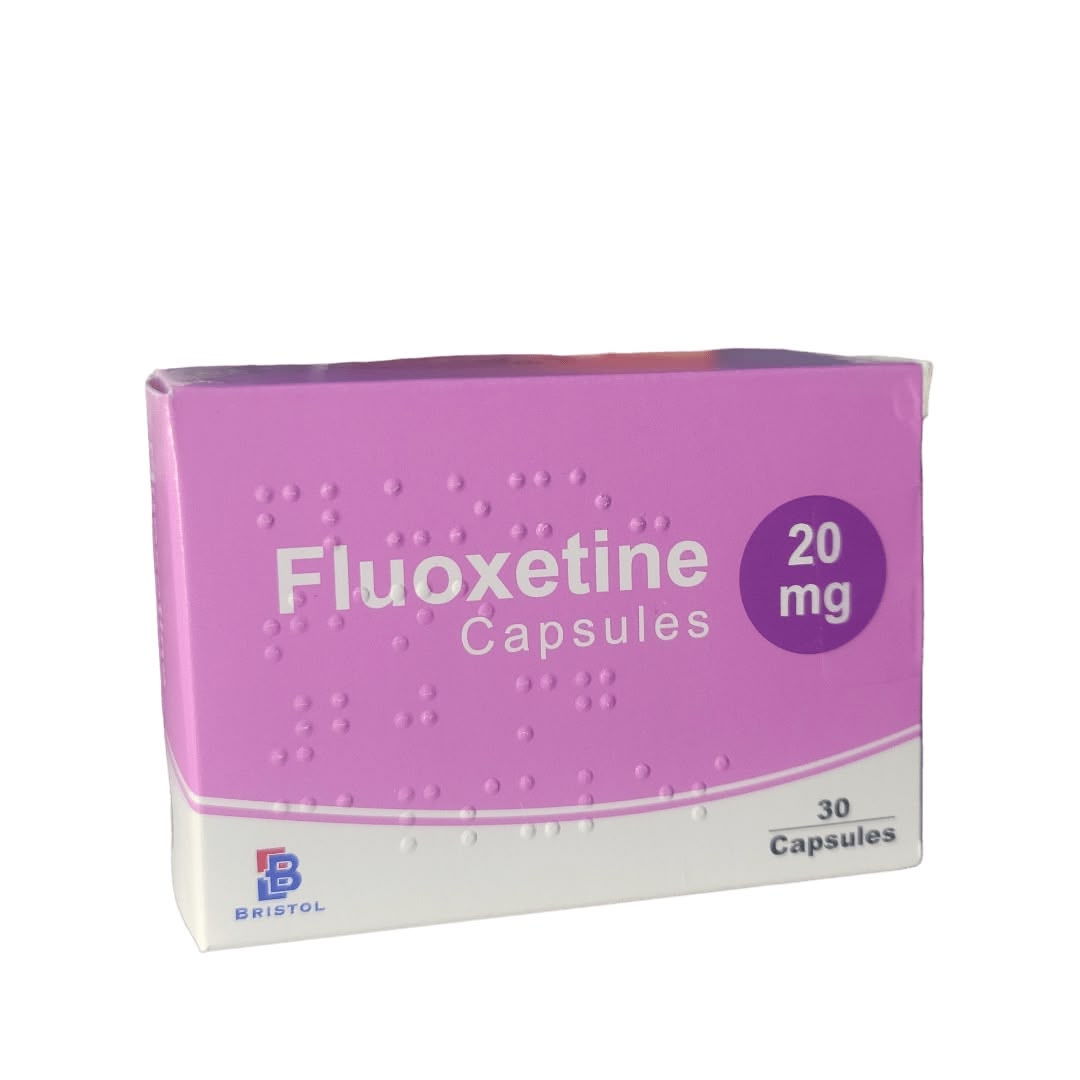
Fluoxetine is a selective serotonin reuptake inhibitor, or SSRI. It is approved for major depressive disorder and several other psychiatric conditions. It works mainly by blocking serotonin reuptake, which increases serotonin signalling in the brain.
Fluoxetine can have an activating effect. Common adverse effects include insomnia, anxiety, nervousness, nausea, appetite loss, tremor and sexual dysfunction. It can also trigger mania or hypomania in susceptible patients. Its initial antidepressant effect usually develops over two to four weeks.
Modafinil is a wakefulness-promoting medication approved for narcolepsy, shift work disorder and excessive sleepiness associated with obstructive sleep apnoea. Depression is an off-label use.
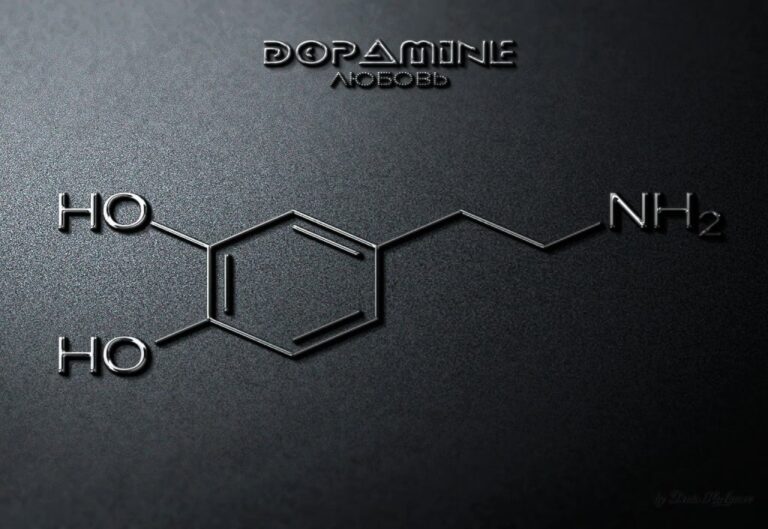
Its main clinically relevant action appears to involve weak inhibition of dopamine reuptake. Modafinil also affects orexin, histamine, glutamate and other systems involved in alertness and arousal. Common adverse effects include headache, nausea, reduced appetite, anxiety and insomnia.
Why Would Modafinil Be Added to Fluoxetine?
Depression can involve more than low mood. Fatigue, daytime sleepiness, poor concentration, low motivation and psychomotor slowing may continue after antidepressant treatment has begun.
Modafinil has been investigated as a way to improve these symptoms while the antidepressant treats the broader depressive episode. It has also been explored as a possible way to produce earlier improvement.
A Cephalon patent covering modafinil-antidepressant combinations described possible benefits in fatigue, energy, alertness, cognitive functioning and the speed of antidepressant response. Fluoxetine was among the antidepressants specifically named.
That provides a clinical rationale for the pairing, but it is the trial evidence that matters most.
What Did the Fluoxetine and Modafinil Trial Find?
The clearest direct evidence comes from a six-week randomized, double-blind trial published in 2011.
The study included 46 adults with major depressive disorder. Participants received either:
- fluoxetine 40 mg/day plus modafinil 400 mg/day
- fluoxetine 40 mg/day plus placebo
Modafinil was divided into two 200 mg doses, taken in the morning and evening. Forty-four participants completed the study.
Depression scores improved in both groups, but the fluoxetine-modafinil group improved more.
At six weeks:
- 21 of 22 patients receiving modafinil met the study definition of response
- 12 of 22 patients receiving placebo met the response definition
- 36% of the modafinil group reached remission
- none of the placebo group reached remission
The difference in overall depression improvement between the groups was statistically significant.
The result was encouraging, but the unusually high response rate in such a small study should be interpreted cautiously.
Did Modafinil Improve Fatigue?
The trial was partly motivated by the possibility that modafinil might improve fatigue and sleepiness, but the fatigue finding is difficult to interpret.
At the end of treatment, the reported fatigue score was 1.42 in the modafinil group and 1.10 in the placebo group. The difference was statistically significant, but the lower score favoured placebo rather than modafinil.
The stronger result was in overall depression, not fatigue.
Have Lower Modafinil Doses Been Studied?
A Cephalon patent described 29 patients with major depressive disorder and significant fatigue who received:
- modafinil 100 mg/day for three days, then up to 200 mg/day
- fluoxetine or paroxetine 20 mg/day
- six weeks of treatment
The patent reported improvement in depression scores within one week. Response rose to 79% by week six, while remission reached about 58%.
The study had no placebo group and combined fluoxetine and paroxetine in one analysis, so the reported improvement cannot be separated from the effect of the SSRI, natural improvement or expectancy effects.
Its main value is showing that lower modafinil doses were also explored in antidepressant treatment.
Do Modafinil and Fluoxetine Have a Drug Interaction?
The main concern is not a clearly established metabolic interaction between the two drugs. It is their overlapping effect on the central nervous system.
Fluoxetine inhibits CYP2D6, while its active metabolite, norfluoxetine, may inhibit CYP3A4. Fluoxetine and norfluoxetine also remain in the body for weeks because of their long elimination half-lives.
Modafinil is metabolised through several pathways, including CYP3A4. It is also a moderate CYP3A4 inducer and a weak CYP2C19 inhibitor.
These enzyme effects make a full medication review important, especially when other drugs are involved. The more immediate practical issue is that fluoxetine and modafinil can both increase alertness, anxiety and difficulty sleeping.
Anxiety, Agitation and Insomnia
Fluoxetine can cause anxiety, agitation and insomnia, especially early in treatment or after a dose increase. Modafinil can cause the same problems.
In the randomized trial, anxiety occurred in:
- 31.8% of the fluoxetine-modafinil group
- 22.7% of the fluoxetine-placebo group
Insomnia occurred at the same rates. The differences were not statistically significant.
A person who already has severe anxiety, panic attacks or persistent insomnia may have difficulty tolerating the combination.
Appetite Loss, Nausea and Headache
Fluoxetine can cause nausea and reduced appetite. Modafinil can also cause nausea, appetite suppression and headache.
In the randomized trial, decreased appetite was reported by 27.2% of patients receiving modafinil and 18.1% receiving placebo. Headache occurred in 22.7% of both groups, while nausea occurred in 18.1% of both groups.
The patent study reported a higher adverse-effect burden. Fifty-nine percent of participants experienced at least one adverse event. Nausea occurred in 41% and headache in 24%.
Three patients receiving modafinil with fluoxetine stopped treatment because of adverse effects. Reported problems included agitation, anorexia, headache, abnormal thinking, insomnia, nausea and nervousness.
Mania, Hypomania and Psychosis
Fluoxetine can trigger mania or hypomania, particularly in people with bipolar disorder. Warning signs may include an unusually elevated or irritable mood, reduced need for sleep, racing thoughts, impulsive behaviour and increased activity.
Modafinil should also be used cautiously in people with a history of mania or psychosis. It has been associated with hallucinations, delusions, aggression and suicidal thoughts in susceptible patients.
The randomized fluoxetine trial excluded people with bipolar I and bipolar II disorder, so it provides little reassurance for that population.
A sudden reduction in sleep need, pressured speech, unusual confidence, agitation or reckless behaviour warrants prompt medical assessment.
Can the Combination Cause Serotonin Syndrome?
Fluoxetine can contribute to serotonin syndrome when combined with medications that substantially increase serotonin activity.
Symptoms may include agitation, confusion, sweating, fever, diarrhoea, tremor, muscle rigidity, overactive reflexes and a rapid heart rate.
Modafinil has little direct affinity for the serotonin transporter, although indirect increases in serotonin have been observed in some brain regions.
Serotonin syndrome was not reported in the randomized fluoxetine-modafinil trial, and the reviewed sources do not describe it as a typical complication of this pairing. The risk may become more relevant when other serotonergic drugs are also being taken. Fluoxetine’s long half-life means its interaction potential can continue for several weeks after discontinuation.
Who May Be a Poor Candidate?
The combination may require particular caution in people with:
- bipolar disorder or a previous manic episode
- psychosis or hallucinations
- severe anxiety or uncontrolled insomnia
- uncontrolled high blood pressure
- unstable heart disease
- a history of seizures
- severe liver impairment
- a previous serious drug rash
- pregnancy or plans to become pregnant
- multiple medications affected by CYP2D6, CYP3A4 or CYP2C19
The randomized trial excluded patients with bipolar disorder, substance dependence, seizures, significant suicidal risk, blood-pressure abnormalities and several other medical concerns.
Limitations of the Research
The direct randomized evidence comes from only 46 participants followed for six weeks.
The trial also used modafinil 400 mg/day, including an evening dose. The usual dose for approved wakefulness disorders is 200 mg once daily, generally taken in the morning.
Modafinil and fluoxetine were started at the same time. The study therefore does not answer whether adding modafinil helps someone who has already taken fluoxetine for several weeks and had only a partial response.
The broader controlled literature on modafinil augmentation in depression has also produced inconsistent results.
Bottom Line
Modafinil and fluoxetine have been prescribed together for depression, but the combination should be treated as a specialist augmentation strategy rather than a routine pairing.
A clinician would need to weigh the possible benefit against the patient’s history of insomnia, anxiety, bipolar symptoms, cardiovascular risk and other medications. Patients should not start, stop or adjust either drug without discussing it with the prescribing clinician.
References
Abolfazli, R., Hosseini, M., Ghanizadeh, A., Ghaleiha, A., Tabrizi, M., Raznahan, M., Golalizadeh, M., & Akhondzadeh, S. (2011). Double-blind randomized parallel-group clinical trial of efficacy of the combination fluoxetine plus modafinil versus fluoxetine plus placebo in the treatment of major depression. Depression and Anxiety, 28(4), 297–302. https://doi.org/10.1002/da.20801
Greenblatt, K., & Adams, N. (2023). Modafinil. In StatPearls. StatPearls Publishing.
Hassman, H., & Hughes, R. J. (2012). Combination of the analeptic modafinil and an antidepressant for the treatment of depression (Spanish Patent No. ES 2 390 225 T3). Spanish Patent and Trademark Office.
Sohel, A. J., Shutter, M. C., Patel, P., & Molla, M. (2024). Fluoxetine. In StatPearls. StatPearls Publishing.