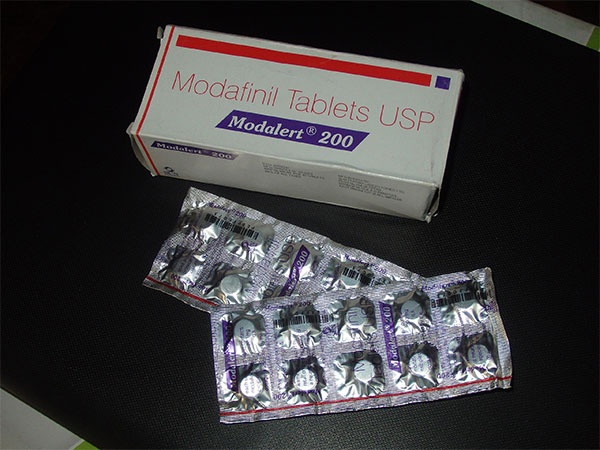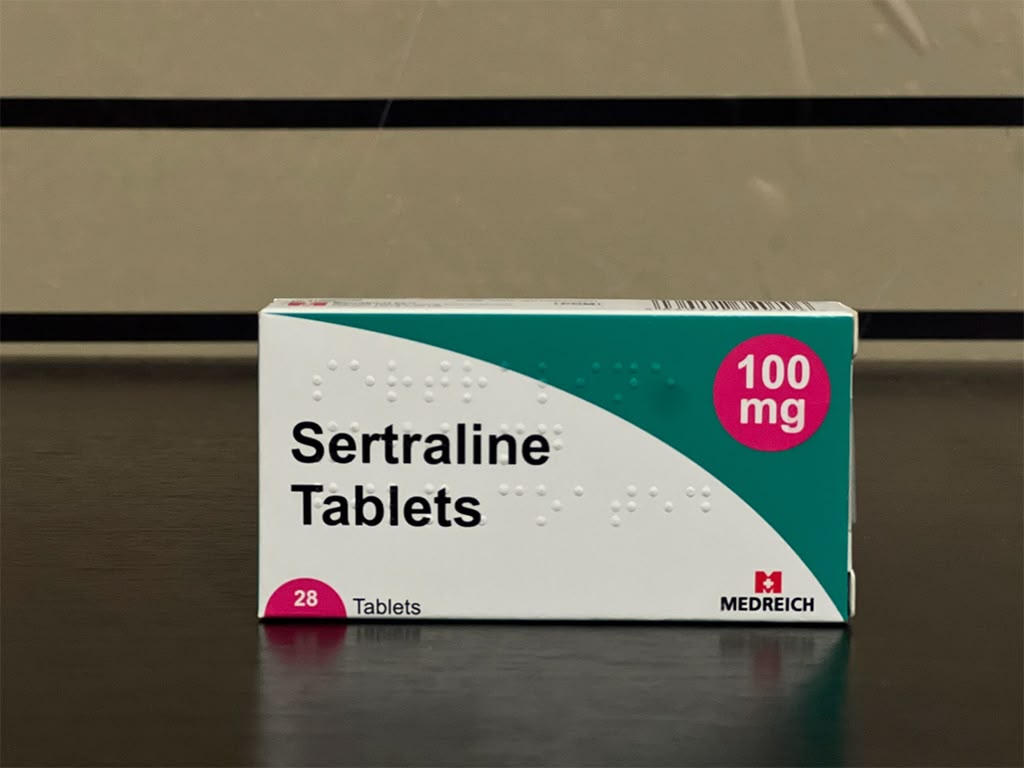
Modafinil and Sertraline: Does It Help Fatigue, and Is It Safe?
Sertraline can improve depression while leaving some people tired, sleepy, or mentally slowed. Those symptoms may be adverse effects of the medication, residual symptoms of depression, or signs of another sleep or medical problem.
Modafinil is sometimes considered when fatigue or excessive sleepiness continues despite antidepressant treatment. It has been studied alongside SSRIs, and sertraline users were included in those studies. The findings suggest possible benefits, but they do not show that modafinil reliably reverses tiredness caused specifically by sertraline.

Why Can You Still Feel Tired on Sertraline?
Sertraline is a selective serotonin reuptake inhibitor used to treat major depressive disorder and several anxiety-related conditions. Its listed adverse effects include somnolence and fatigue, along with nausea, dizziness, diarrhoea, sweating, and sleep disturbance.
Fatigue, low energy, poor concentration, and disrupted sleep are also common features of depression and may continue after mood begins to improve.
Other possible contributors include:
- insufficient or irregular sleep
- sleep apnea
- anaemia
- thyroid disease
- alcohol or sedative use
- other medications
- anxiety that disrupts sleep
- a sertraline dose or dosing time that does not suit the individual
Identifying the cause of the tiredness affects whether adding a wakefulness-promoting drug is appropriate.
Why Is Modafinil Sometimes Added?
Modafinil is a wakefulness-promoting medication. Its approved uses include narcolepsy, shift work disorder, and excessive sleepiness associated with obstructive sleep apnea. It has also been studied off-label during depressive episodes and as an add-on to antidepressant treatment.
Sertraline primarily inhibits serotonin reuptake. Modafinil is described as a weak dopamine reuptake inhibitor and may also influence norepinephrine, serotonin, orexin, histamine, and glutamate signalling.
Sertraline may improve depressive or anxiety symptoms, while modafinil may be added to address persistent fatigue, excessive sleepiness, or reduced alertness. The different mechanisms explain the clinical rationale for combining them, but do not establish that the combination is effective.
What Did the SSRI Augmentation Study Find, and What Can’t It Tell Us?
A 2006 study examined modafinil as an add-on to SSRI therapy in people with major depressive disorder who still had excessive sleepiness and fatigue.
Participants continued taking fluoxetine, paroxetine, or sertraline while receiving open-label modafinil for 12 weeks. Doses ranged from 100 to 400 mg per day, with a median stable dose of 300 mg. Sertraline users made up about 30% of the extension-study group.
Across the combined SSRI group, the researchers reported improvements in:
- excessive sleepiness
- fatigue
- depressive symptom scores
- overall clinical condition
Seventy per cent of participants were rated as “much improved” or “very much improved” during the open-label extension. Sleepiness and fatigue scores also declined over the 12 weeks.
The results were pooled across three SSRIs, so the researchers did not report how people taking sertraline responded as a separate group.
The extension phase was also open-label. Participants and investigators knew that modafinil was being given, which may have increased expectations of improvement. The authors noted that a blinded discontinuation study would have been needed to evaluate longer-term efficacy more reliably. They also acknowledged that residual depression-related fatigue can be difficult to distinguish from fatigue or sleepiness associated with antidepressant treatment.
The study supports a limited conclusion: modafinil may reduce persistent fatigue and sleepiness in some people taking SSRIs. It does not show that modafinil specifically reverses fatigue caused by sertraline.
Does Modafinil Improve Cognition?
A separate placebo-controlled study examined cognition in 60 people whose depression was in remission. Participants received a single 200 mg dose of modafinil or placebo before completing tests of memory, attention, and planning.
Modafinil improved episodic memory and performance on the most difficult working-memory condition. It did not improve sustained attention or planning. Subjective fatigue also did not improve significantly in that study.
Six participants were taking sertraline, but the antidepressant subgroups were too small for separate analysis.
The findings suggest that modafinil may improve selected memory functions in some people with a history of depression. They do not show a broad improvement across cognition or support treating modafinil as a general cure for “brain fog.”
Can You Take Modafinil and Sertraline Together?
Modafinil and sertraline have been used together in clinical studies, including the SSRI augmentation study. The combination is not automatically prohibited.
Modafinil can cause anxiety, insomnia, headache, nausea, dizziness, irritability, and decreased appetite. Sertraline can cause nausea, dizziness, diarrhoea, fatigue, somnolence, tremor, sweating, and sleep disturbance.
Taking both may worsen overlapping problems such as:
- anxiety
- agitation
- insomnia
- nausea
- dizziness
- irritability
Modafinil also affects drug-metabolising enzymes, including CYP3A4 and CYP2C19. Its interaction profile means a prescriber should review the person’s full medication list rather than considering sertraline alone.
What Side Effects Were Reported in the Studies?
In the 12-week SSRI augmentation study, the most common adverse events included:
- headache
- nausea
- dizziness
- anxiety
- insomnia
- irritability
- diarrhoea
- dry mouth
Seventeen participants, or 7%, stopped the extension study because of adverse events.
In the single-dose cognition study, reported events were mild and included headache, anxiety, drowsiness, blurred vision, and sleep disturbance. The rate of mild side effects did not differ significantly between the modafinil and placebo groups.
What About Mania or Other Psychiatric Changes?
Sertraline may precipitate mania in people vulnerable to bipolar disorder, and the sertraline review recommends monitoring for manic symptoms after treatment begins or the dose changes.
The modafinil review advises caution in people with a history of psychosis or mania. It recommends monitoring for hallucinations, delusions, aggression, mania, and suicidal ideation after modafinil is started.
Warning signs that need prompt medical review include:
- a sharply reduced need for sleep
- unusually elevated or irritable mood
- impulsive behaviour
- racing thoughts
- severe agitation
- hallucinations
- worsening suicidal thoughts
What Should Be Checked Before Adding Modafinil?
Persistent tiredness should be assessed before another medication is added.
A clinician may consider:
- whether the sertraline dose or dosing time contributes to sleepiness
- whether depression remains only partially treated
- whether poor sleep is causing daytime fatigue
- symptoms of sleep apnea
- other sedating medications
- alcohol use
- thyroid or iron problems when clinically appropriate
- blood pressure and cardiovascular history
- a personal or family history of mania or bipolar disorder
The sertraline review notes that sertraline can be taken in the evening when it causes somnolence. Adjusting the timing may help some people without adding another medication.
Who May Be a Poor Candidate for Modafinil?
The modafinil review recommends caution in people with uncontrolled hypertension, unstable angina, a recent myocardial infarction, documented left-ventricular hypertrophy, previous psychostimulant-related cardiac problems, severe liver impairment, or a history of psychosis or mania.
Modafinil should also be avoided during pregnancy according to the review, which cites a potential risk of congenital malformations.
Serious skin reactions are rare but have been reported. Anyone who develops a rash after starting modafinil should contact the prescribing clinician promptly.
Severe insomnia, unexplained fatigue, active agitation, or worsening suicidal thoughts also make self-directed use particularly inappropriate.
Bottom Line
Modafinil may help some people who remain fatigued or excessively sleepy while taking sertraline, but the available studies did not analyse sertraline users separately. It remains unclear whether modafinil is treating a sertraline side effect, residual depression, or another cause of sleepiness.
The combination has been used clinically, but it should be supervised by a prescriber because of overlapping adverse effects and the need to monitor for insomnia, anxiety, agitation, mania, and other psychiatric changes.
References
Greenblatt, K., & Adams, N. (2023). Modafinil. In StatPearls. StatPearls Publishing.
Kaser, M., Deakin, J. B., Michael, A., Zapata, C., Bansal, R., Ryan, D., Cormack, F., Rowe, J. B., & Sahakian, B. J. (2017). Modafinil improves episodic memory and working memory cognition in patients with remitted depression: A double-blind, randomized, placebo-controlled study. Biological Psychiatry: Cognitive Neuroscience and Neuroimaging, 2(2), 115–122. https://doi.org/10.1016/j.bpsc.2016.11.009
Singh, H. K., & Saadabadi, A. (2023). Sertraline. In StatPearls. StatPearls Publishing.
Thase, M. E., Fava, M., DeBattista, C., Arora, S., & Hughes, R. J. (2006). Modafinil augmentation of SSRI therapy in patients with major depressive disorder and excessive sleepiness and fatigue: A 12-week, open-label, extension study. CNS Spectrums, 11(2), 93–102. https://doi.org/10.1017/S1092852900010622