Does Modafinil Increase Energy Levels or Just Reduce Sleepiness?
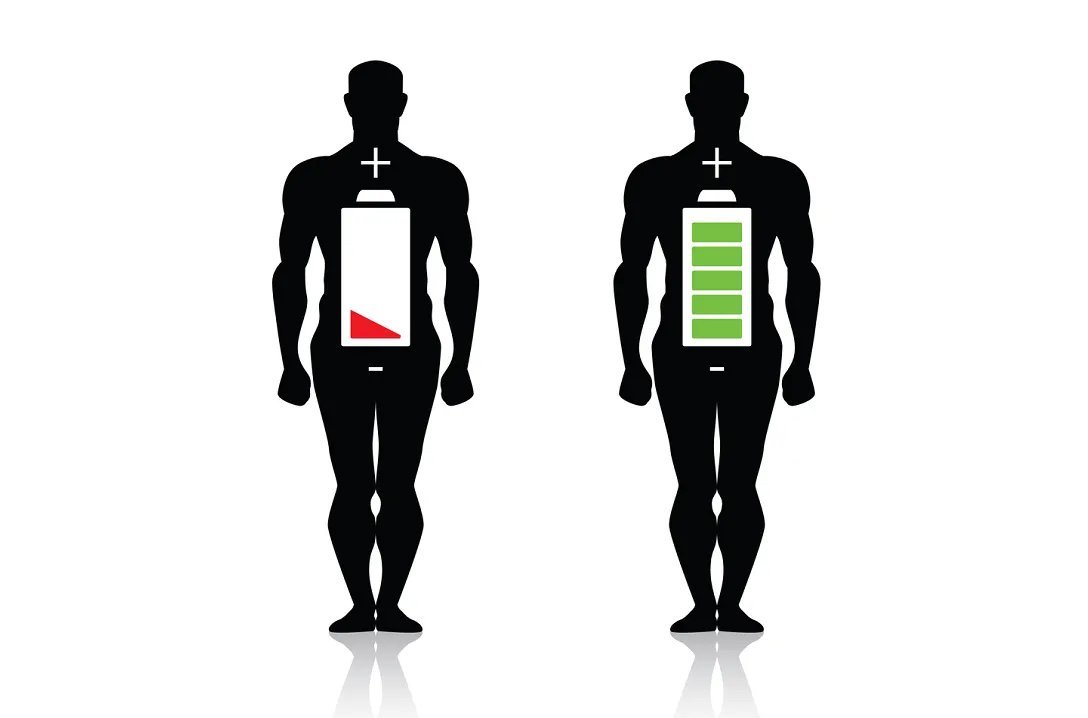
Modafinil reduces excessive daytime sleepiness. It acts on brain systems that regulate wakefulness rather than on the body’s energy production systems. In people with disorders marked by pathological sleepiness, that increase in alertness can feel like more energy, but the drug’s primary effect is promoting wakefulness.

Wakefulness Is Not the Same as Energy
When people say they lack energy, they may be describing sleepiness, physical fatigue, or low motivation. Biologically, those states are not identical.
Modafinil works in the brain. It weakly inhibits dopamine reuptake and increases activity in wake-promoting pathways, including orexin and histamine systems in the hypothalamus. These circuits regulate alertness and the sleep–wake cycle. The result is sustained wakefulness and reduced subjective sleepiness.
Modafinil does not increase metabolic output or alter cellular energy production. Feeling more awake can resemble having more energy, but the mechanism is centered on alertness.
Where Measurable Improvements in Vitality Occur
In narcolepsy, excessive daytime sleepiness severely disrupts daily functioning. In randomized trials, modafinil improved not only objective measures of wakefulness but also health-related quality of life.
In one analysis of narcolepsy trials, patients receiving modafinil showed significant improvements on the SF-36 vitality scale compared with placebo, with the 400 mg group demonstrating approximately a 13-point improvement from baseline. Improvements were also seen in role limitations due to physical problems and social functioning. These changes reflect meaningful gains in perceived energy and daily capability.
In this setting, reduced sleepiness translates into improved vitality. For someone whose “low energy” is primarily untreated sleepiness, modafinil can restore daytime function and improve how energetic they feel.
Why Results Are Mixed in Other Fatigue Conditions
Modafinil has been studied in other fatigue-related conditions, including cancer-related fatigue and multiple sclerosis-related fatigue. Results are mixed. Some trials show benefit, while others do not show a clear advantage over placebo.
This pattern fits its mechanism. Fatigue in systemic illness is often driven by inflammation, metabolic changes, or disease burden rather than by impaired wakefulness circuits. If sleepiness is not the primary driver, stimulating arousal pathways may not consistently restore energy.
Modafinil appears most effective when the core problem is excessive sleepiness. It is less predictable when fatigue arises from broader physiological causes.
Practical Limits and Safety
Modafinil does not replace adequate sleep. In obstructive sleep apnea, it is used as an adjunct to primary treatment and does not correct the airway obstruction itself. It does not treat cataplexy in narcolepsy.
Common side effects include headache, nausea, decreased appetite, anxiety, and insomnia. Late dosing can interfere with nighttime sleep, which may worsen fatigue over time. Rare but serious skin reactions have been reported. The drug should be used cautiously in people with certain cardiovascular or psychiatric conditions and is classified as a Schedule IV controlled substance in the United States.
The Bottom Line
Modafinil promotes wakefulness by acting on brain arousal systems. In people with excessive daytime sleepiness, that effect can meaningfully improve vitality and daily functioning.
For people who are simply tired, overworked, or experiencing fatigue unrelated to sleepiness, modafinil does not reliably create new energy. It keeps the brain awake. Whether that feels like more energy depends on why the fatigue exists in the first place.
Sources
- Greenblatt, K., & Adams, N. (2023). Modafinil. In StatPearls. StatPearls Publishing. https://www.ncbi.nlm.nih.gov/books/NBK531476/
- U.S. Food and Drug Administration. (2015). PROVIGIL® (modafinil) tablets, for oral use, C-IV: Prescribing information. U.S. Department of Health and Human Services. https://www.accessdata.fda.gov/drugsatfda_docs/label/2015/020717s037s038lbl.pdf
- Beusterien, K. M., Rogers, A. E., Walsleben, J. A., Emsellem, H. A., Reblando, J. A., Wang, L., Goswami, M., & Steinwald, B. (1999). Health-related quality of life effects of modafinil for treatment of narcolepsy. Sleep, 22(6), 757–765. https://doi.org/10.1093/sleep/22.6.757