The Biggest Misunderstanding About Modafinil, According to Real Users
Modafinil has one of the strangest reputations of any prescription drug. Some people describe it as quietly life-changing. Others walk away convinced it does absolutely nothing. The split is so stark that newcomers often assume someone must be exaggerating or lying.
>> Looking to Buy Modafinil Online? Get it here for less than $1 per pill!
The truth is more uncomfortable and more useful. Most people aren’t disagreeing about what modafinil does. They’re disagreeing because they bought it for the wrong job.
What is modafinil?
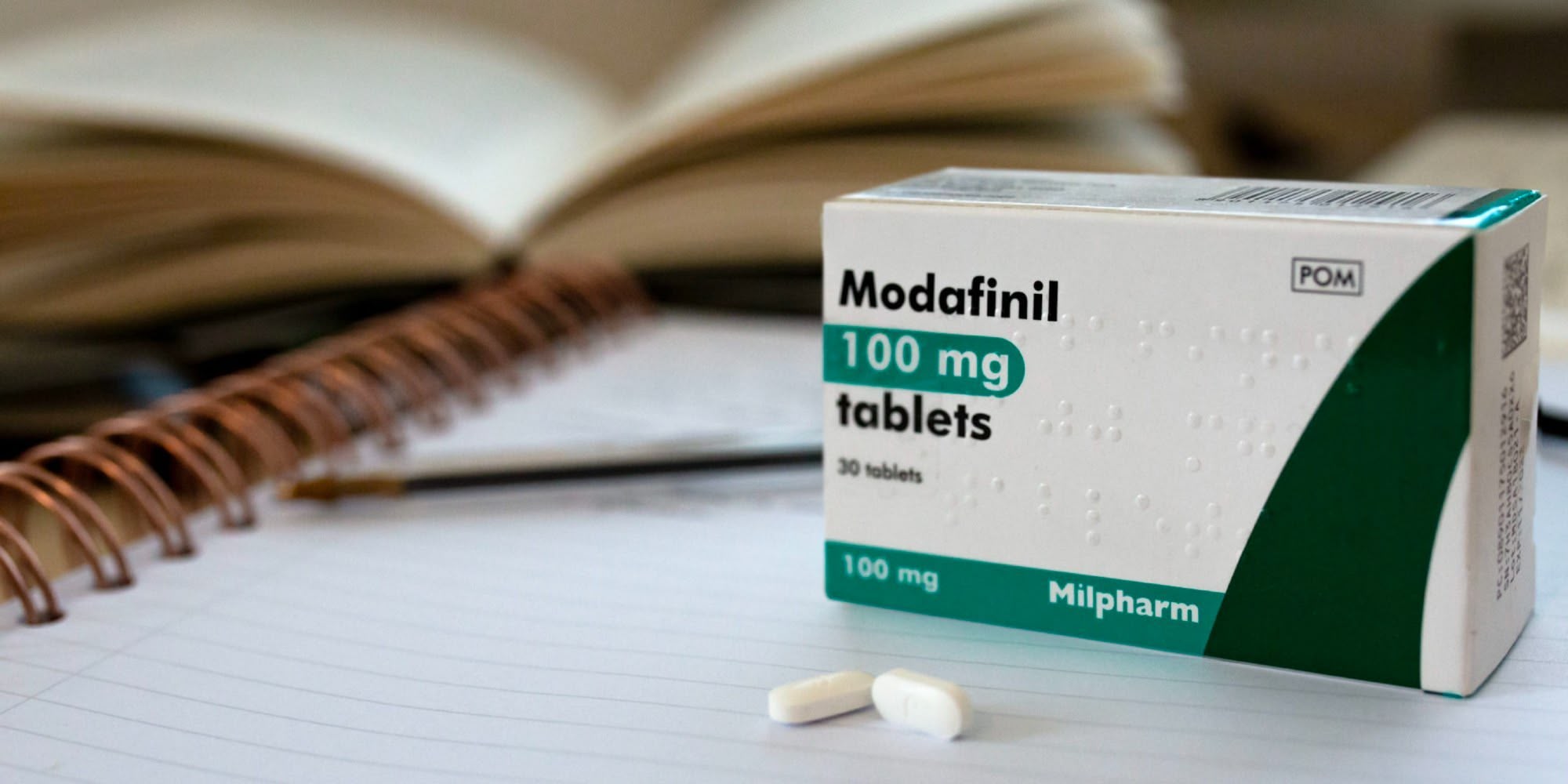
Modafinil is a wakefulness-promoting medication. The FDA approved it for treating excessive daytime sleepiness in three specific conditions:
- Narcolepsy
- Shift work sleep disorder
- Obstructive sleep apnea (as an addition to primary treatments like CPAP)
The medication affects brain chemistry, particularly systems involved in alertness and wakefulness. Unlike traditional stimulants such as amphetamines, modafinil works through different and less direct pathways. Its action on dopamine, the neurotransmitter often associated with motivation and reward, is relatively weak and indirect.
This pharmacological profile matters more than most people realize when they first try modafinil.
Where expectations quietly go wrong
Online, modafinil is often framed as a productivity drug or even a “smart drug.” The promise, sometimes implied and sometimes explicit, is sharper thinking, stronger motivation, effortless focus, and long productive days without friction.
That framing doesn’t come from medicine. Clinically, modafinil was developed and approved to promote wakefulness in conditions marked by excessive daytime sleepiness. That gap between medical purpose and cultural expectation is the root of most disappointment.
In a Reddit discussion on r/Nootropics titled “I feel like everyone has the wrong idea of modafinil,” users consistently highlighted this exact disconnect. One person noted it’s “a wakefulness drug” that helps you “be a powerhouse all day and focus on tasks,” not something that creates euphoria or dramatic mental changes. Another described it as having “zero effects on motivation and very modest improvements in focus,” calling it “overrated” for anyone expecting more than wakefulness.
When people say modafinil “did nothing,” they’re often reacting to what it failed to deliver, not what it was designed to do.

The misunderstanding: modafinil is not a motivation drug
Across user reports, one theme appears repeatedly. Attention feels cleaner, distractions fall away, but the desire to start the task never arrives. People sit in front of work they already didn’t want to do, now fully awake and fully aware that they still don’t want to do it.
This isn’t a flaw or a personal failure. It’s consistent with how modafinil works pharmacologically. Unlike amphetamines, which strongly stimulate dopamine release and often create a euphoric push that drives motivation and task initiation, modafinil’s dopamine effects are relatively weak and indirect.
In plain terms, modafinil can help you stay awake with your thoughts, but it doesn’t reliably make those thoughts exciting or urgent.
Wakefulness and productivity are not the same job
One of the clearest patterns in real-world use is that modafinil excels at one role and is inconsistent at another.
What modafinil does well
It’s very good at maintaining wakefulness. People report:
- Fewer microsleeps or head nods
- Less mental fog from sleep loss
- More stable energy across long days
- Better sustained attention during boring or repetitive tasks
These effects are well documented in clinical studies, particularly in sleep-deprived or excessively sleepy populations.
What modafinil doesn’t reliably deliver
Productivity enhancement is a different job entirely. That involves:
- Motivation to begin tasks
- Emotional drive and urgency
- Executive function for planning and organizing
- Sometimes mood elevation or enthusiasm
Modafinil doesn’t reliably deliver those outcomes, especially in well-rested, healthy users.
Most negative experiences come from buying modafinil for productivity and receiving wakefulness instead.
Why experiences vary so dramatically
Another source of confusion is just how different people’s experiences can be. This variability isn’t random. Several factors shape individual responses, as evidenced by the range of reports from actual users.
Baseline sleep debt matters
People who are chronically sleep-deprived or battling excessive sleepiness are far more likely to feel a clear benefit. When you’re fighting to stay awake, a medication that promotes wakefulness feels transformative. One Reddit user emphasized that “if you don’t sleep well it doesn’t work well,” noting they get best results with proper rest beforehand.
Well-rested users often describe modafinil as subtle or underwhelming. One person reported it made them “SOOOO tired” and caused constant yawning, while another said it made them “sleepy ironically, like really drowsy.” When you’re already alert, adding more wakefulness doesn’t change much, and for some, the medication paradoxically increases drowsiness.
Neurochemistry and expectations matter
Because modafinil doesn’t strongly stimulate dopamine release, people who expect a stimulant-like kick often perceive it as ineffective. The lack of euphoria or emotional push can feel like the drug “isn’t working.”
Others value exactly that absence of jitteriness and emotional push. One long-term user described taking 200mg daily for over 10 years with “no change in efficacy,” calling it “an utter lifesaver” for managing chronic fatigue from fibromyalgia. They appreciate feeling alert without feeling wired or anxious.
Side effect sensitivity creates vastly different experiences
The Reddit discussion revealed stark divisions. Some users reported severe migraines after consecutive days of use: “If I take modafinil more than two days in a row, I get crazy painkiller-resistant migraines. I had a migraine that lasted four days after I took modafinil for three days straight.”
Others noted increased anxiety and irritability, with one person saying it “makes me anxious” and another reporting it “makes me angry.” Meanwhile, some users reported “no tolerance and no comedown” after months of daily use.
The framing matters too
If someone expects motivation and receives alertness, the experience is framed as failure even if the drug is working as intended. This mismatch between expectation and reality drives much of the disappointment reported online.
Focus without follow-through: the executive function gap
Many users articulate this problem intuitively. Focus improves, but follow-through doesn’t. Tasks feel clearer but not easier to begin. There’s less mental noise, but no added urgency.
Clinical research reflects this divide. Modafinil reliably improves vigilance and sustained attention, particularly under sleep deprivation. These are measurable, reproducible effects. Its effects on complex executive function and real-world productivity are more variable and modest.
This explains why people can honestly report feeling “on” without getting more done. You can be wide awake, mentally clear, and still not motivated to start the spreadsheet you’ve been avoiding.
The side effects that end the experiment
Even among users who feel benefits, side effects often set the ceiling on how useful modafinil can be. The Reddit discussion revealed consistent patterns in what drives people to stop or limit use.
Common side effects that become deal breakers
Headaches are the most common reason people stop. For some, these escalate into severe migraines. Multiple users mentioned headache issues, with some finding relief by adding choline or Alpha-GPC supplements, while others found no solution worked.
Anxiety and irritability also appear frequently. Several users described feeling “anxious” or finding the drug made them “angry.” One person noted that mixing modafinil with caffeine created “anxiety hell,” suggesting stimulant sensitivity plays a role.
Sleep disruption is particularly frustrating because it creates a vicious cycle. User reports emphasized the importance of timing: “If you don’t sleep well it doesn’t work well.” Several mentioned that daily use can lead to reduced sleep quality, with one noting they “usually get 7 hours which is perfect” but acknowledged “when using modafinil daily you don’t always get the best sleep.”
Individual variation in response was a major theme. One user who experienced multi-day migraines was told “that wasn’t common” when seeking advice. Another reported “absolutely 0 effects” despite having ADHD. As one commenter summarized: “Substances work differently in different people. Our biology is similar enough that science makes sense but different enough that there isn’t a single universal response.”
These reports match the general side effect profile documented in medical literature, where common side effects include headache, nausea, decreased appetite, anxiety, insomnia, dizziness, and gastrointestinal symptoms.
For some users, modafinil works but not at a cost they’re willing to pay repeatedly.
“Is it me, the dose, or the drug?”
When effects are inconsistent, people often start troubleshooting. They question:
- The brand or generic manufacturer
- The dose (too low? too high?)
- The timing (too early? too late?)
- Whether their supply is legitimate
Some switch to armodafinil, the longer-lasting R-enantiomer form of modafinil, hoping for smoother results.
What’s striking is that increasing the dose rarely fixes the core complaint. Clinical data show that higher doses don’t reliably convert non-responders into responders, particularly for motivation or productivity outcomes.
A dose that doesn’t create motivation at 200 mg usually won’t create motivation at 400 mg either. It might create more wakefulness, or more side effects, but not necessarily more drive.
This fuels a cycle of experimentation that keeps expectations alive while rarely resolving the original misunderstanding.
What modafinil actually does well
When expectations align with its real strengths, modafinil makes more sense.
It helps people stay awake during long, cognitively demanding periods. It reduces unintentional sleep episodes. It stabilizes alertness under sleep loss. It does this without the pronounced euphoria, rebound crash, or abuse potential associated with traditional stimulants.
For those use cases, particularly in people with genuine excessive sleepiness, it can be genuinely valuable and sometimes life-changing.
The misunderstanding that explains everything
The biggest misunderstanding about modafinil isn’t about legality, safety, or potency. It’s about purpose.
Modafinil is a wakefulness tool, not a universal productivity upgrade. When people expect motivation and receive alertness, disappointment follows. When they expect a stimulant high and receive a calm, steady state of wakefulness, the drug feels “weak.”
Once that distinction is clear, the polarized experiences stop looking contradictory. They start looking predictable.
The bottom line
Modafinil promotes wakefulness. That’s what it was designed to do, tested to do, and approved to do. It excels at preventing sleep when sleep would be a problem.
What it doesn’t reliably do is create motivation, drive task initiation, or turn boring work into engaging work. For well-rested people hoping for productivity enhancement, the effects are often subtle or disappointing. For people battling genuine excessive sleepiness, the same medication can feel transformative.
The dramatic split in user experiences isn’t evidence that modafinil is inconsistent or that some people are lying. It’s evidence that people are using the same drug for fundamentally different purposes and then judging it against different standards.
If you’re considering modafinil, the most important question isn’t “Does it work?” It’s “Does it work for what I actually need?” If the problem is staying awake, modafinil might help considerably. If the problem is wanting to start tasks you don’t want to do, you’re likely shopping in the wrong aisle.
For some people, modafinil does exactly what they need. For others, it was never the right tool in the first place.
Individual responses to medications vary. Modafinil should only be used under the supervision of a qualified healthcare professional who can evaluate whether it’s appropriate for your specific situation and monitor for potential side effects.
References
- Greenblatt, K., & Adams, N. (2023). Modafinil. In StatPearls. StatPearls Publishing. https://www.ncbi.nlm.nih.gov/books/NBK531476/
- McClellan, K. J., & Spencer, C. M. (1998). Modafinil: A review of its pharmacology and clinical efficacy in the management of narcolepsy. CNS Drugs, 9(4), 311–324. https://doi.org/10.2165/00023210-199809040-00006