Can You Take Modafinil Every Day?
This question usually comes up after modafinil has already done something noticeable. Maybe it helped you stay awake through the afternoon. Maybe the fog lifted just enough that work felt manageable again. Maybe it worked well once, and now you’re wondering whether that can be your baseline.
So the real concern isn’t whether modafinil is allowed to be taken daily. It’s whether taking it every day is something people actually tolerate over time, without quietly paying for it in other ways.
>> Looking to Buy Modafinil Online? Get it here for less than $1 per pill!
What is modafinil?
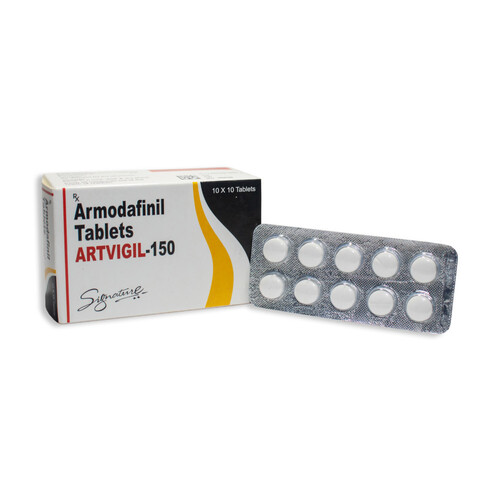
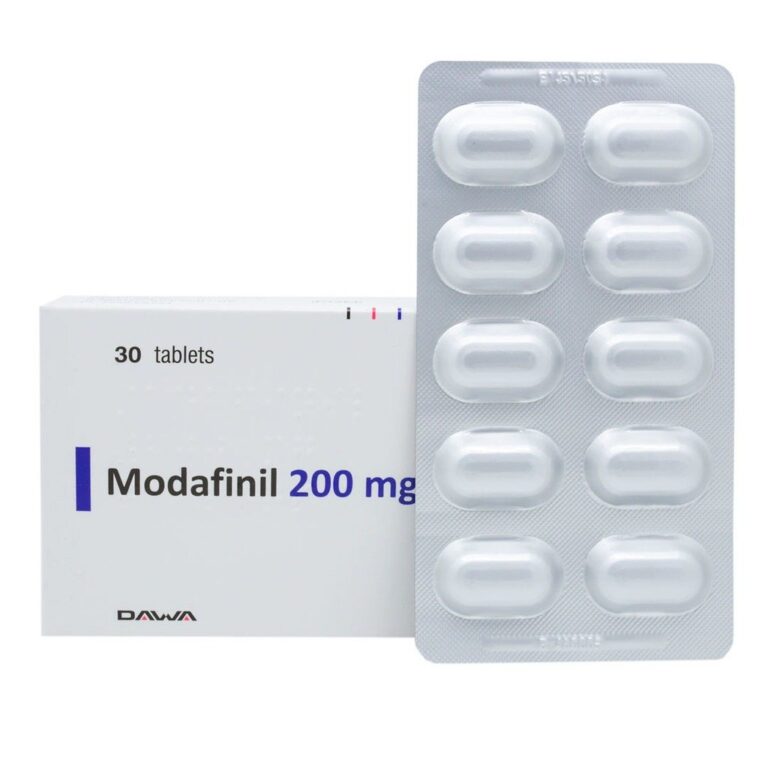
Modafinil is a wakefulness-promoting medication. The FDA has approved it for treating narcolepsy, shift work sleep disorder, and excessive sleepiness related to obstructive sleep apnea when used alongside primary treatments like CPAP.
The medication affects brain chemistry, particularly systems involved in alertness and wakefulness. Unlike traditional stimulants such as amphetamines, modafinil works through different mechanisms, though researchers are still working to understand all the details of how it promotes wakefulness.
What daily use looks like in medicine
From a medical standpoint, modafinil is often prescribed as a daily medication. For people with narcolepsy, shift work sleep disorder, or obstructive sleep apnea-related sleepiness, once-daily use is routine. Doctors treat it less like a rescue drug and more like ongoing symptom management.
That matters because it tells us something important upfront: daily use is not automatically unusual or reckless in clinical settings. Doctors are comfortable with patients taking it consistently when there’s a clear reason and proper monitoring.
But clinical comfort doesn’t automatically translate into lived comfort. That gap is where most of the uncertainty lives.
Why people still hesitate about taking it every day
When you read through discussions in online health communities, a pattern appears quickly. People aren’t asking whether modafinil is acutely dangerous. They’re asking whether daily use is sustainable.
The concerns tend to sound like this:
- Will it keep working, or will I need more over time?
- Will my sleep slowly fall apart?
- Will I feel sharper, or just more wired?
- Will I become irritable, flat, or disconnected?
- If I stop, will I crash?
Those aren’t abstract worries. They come from people who felt real benefits early on and then noticed subtle changes after weeks or months.

What people commonly report with daily use
Experiences vary widely, but some themes show up again and again in patient discussions.
Some people take it daily for years and feel stable
They describe modafinil as smoother than traditional stimulants, less pushy, and more predictable. For them, daily use feels like maintaining functionality rather than chasing performance. The medication continues to prevent excessive sleepiness without requiring dose increases.
Others notice that the initial clarity fades
The medication still keeps them awake, but the mental sharpness feels duller over time. A phrase that comes up often is feeling awake but not fully present, like the body is switched on while the mind lags behind. It’s not that the drug stops working entirely, but the quality of wakefulness changes.
Sleep becomes a pressure point
Even when taken early in the morning, daily use can gradually shorten sleep, fragment it, or make it feel less restorative. This doesn’t happen to everyone, but it happens often enough that people start questioning whether the trade-off is worth it.
Your body’s natural sleep-wake cycle, or circadian rhythm, depends on carefully timed signals. When you’re promoting wakefulness every single day, those signals can become less clear over time, particularly if you’re fighting against an underlying sleep disorder.
Irritability and emotional flattening also come up
Not dramatic mood swings, but a quieter sense of being less patient or less emotionally flexible, especially after prolonged daily use. Some people describe feeling more efficient but less connected to the people around them.
None of these experiences are guaranteed. They’re also not rare. That tension is why the question keeps resurfacing.
Does modafinil stop working if you take it every day?
Clinically, modafinil is not known for the rapid tolerance seen with some stimulants. Tolerance means your body adapts to a drug, requiring higher doses to achieve the same effect. Many patients remain on the same modafinil dose for long periods without escalation.
In real life, the story is more mixed. Some people feel it works just as well over time. Others feel the effect changes rather than disappears. Instead of clarity, it becomes more about preventing collapse. Instead of feeling sharp, it feels like holding the line.
That difference matters. If someone expects the early effect to be permanent, daily use can feel disappointing. If someone sees it as symptom control rather than enhancement, daily use can feel reasonable.
Dependence, withdrawal, and stopping
Modafinil is classified as a Schedule IV controlled substance under federal law, but it’s generally considered to have a lower risk of dependence than Schedule II stimulants like amphetamines.
Most people who stop don’t describe severe withdrawal in the way it’s seen with some other drugs. What they do describe is the return of whatever problem the medication was masking, often fatigue, sleepiness, or brain fog. For some, that rebound feels dramatic simply because the contrast is stark.
This is another reason daily use can feel psychologically sticky, even without classic addiction. If modafinil is the thing holding daily life together, stopping can feel daunting. You’re not necessarily dependent on the drug in a medical sense, but you are reliant on what it does for you.
Safety is part of the question, but not the whole thing
There are real safety considerations with daily use that deserve attention:
Sleep disruption
Even when timed carefully, daily modafinil can interfere with sleep quality and duration. Poor sleep, over time, contributes to numerous health problems including cardiovascular disease, metabolic issues, and cognitive decline.
Anxiety and mood effects
Some people develop increased anxiety, irritability, or mood changes with regular use. Those with a history of mood disorders or psychotic conditions face higher risks of psychiatric side effects.
Cardiovascular concerns
While modafinil differs from traditional stimulants, it can still affect heart rate and blood pressure. People with preexisting cardiovascular conditions need closer monitoring.
Drug interactions
Modafinil interacts with numerous medications through liver enzyme pathways. One particularly important interaction involves hormonal contraceptives. Modafinil can reduce the effectiveness of birth control pills, requiring alternative contraception during use and for a period after stopping.
Most serious adverse reactions occur early in treatment rather than years in, but long-term data outside approved conditions is limited. That doesn’t mean daily use is unsafe. It means certainty drops as you move further from studied populations.
What people are really weighing is not just medical safety, but personal cost. Is the wakefulness worth the sleep disruption? Is the focus worth feeling emotionally flatter? Is preventing afternoon crashes worth needing the medication to feel normal?
So can you take modafinil every day?
Many people do. Many tolerate it well. Many also decide that daily use is not right for them after trying it.
The difference usually comes down to:
- Why it’s being used (treating a diagnosed sleep disorder versus enhancing productivity)
- How sensitive the individual is to sleep disruption and mood changes
- Whether the goal is basic functioning or sustained optimization
- Whether the underlying condition being treated is stable or changing
Daily use is not automatically a mistake, and it’s not automatically without cost. It sits in the middle, where trade-offs exist and personal response matters more than general rules.
The most honest takeaway
If modafinil worked once and you’re considering taking it every day, the most useful question isn’t whether it’s allowed or approved.
It’s whether the version of yourself on daily modafinil is actually better, not just more awake.
For some people, the answer is yes, consistently. For others, the answer changes over time. And for many, the only way they figure that out is by paying close attention to sleep, mood, and how life feels once the novelty wears off.
That uncertainty isn’t a failure of the drug or the person. It’s simply the reality of how differently bodies respond when something shifts from occasional help to daily reliance.
The bottom line
Modafinil can be taken daily, and many people do so successfully under medical supervision for approved conditions. The medication doesn’t typically cause rapid tolerance or severe withdrawal symptoms.
However, daily use over time can bring subtle changes that matter: shifts in sleep quality, emotional responsiveness, or the character of wakefulness itself. These changes aren’t universal, but they’re common enough to warrant attention.
If you’re considering daily modafinil use, the most important step is working with your healthcare provider to monitor not just whether you’re staying awake, but how well you’re sleeping, how stable your mood remains, and whether the overall quality of your functioning actually improves rather than just feeling different.
Individual responses to medications vary significantly. Medical decisions about daily medication use should involve a qualified healthcare professional who can evaluate your specific situation, underlying conditions, and monitor your response over time.
References
- Greenblatt, K., & Adams, N. (2023). Modafinil. In StatPearls. StatPearls Publishing.
https://www.ncbi.nlm.nih.gov/books/NBK531476/ - U.S. Food and Drug Administration. (2015). PROVIGIL® (modafinil) tablets, for oral use, C-IV: Prescribing information. U.S. Department of Health and Human Services.
https://www.accessdata.fda.gov/drugsatfda_docs/label/2015/020717s037s038lbl.pdf