What Are the Main Differences Among Popular Modafinil Products Sold Online?
When you take the same dose of modafinil from different manufacturers, should it feel exactly the same? Most people expect consistency. The dose matches, the tablet looks similar, and the label says it’s the same active drug. Yet many users report that one product feels smoother, lasts longer, or causes fewer side effects than another.
Understanding why those impressions arise requires looking at three layers together: the pharmacology of modafinil itself, how generic medications are regulated, and what people actually experience day to day.
>> Looking to Buy Modafinil Online? Get it here for less than $1 per pill!
What is modafinil?
Modafinil is a wakefulness-promoting medication. The FDA originally approved it under the brand name Provigil for treating narcolepsy and related sleep disorders. The active compound in modafinil is actually a mixture of two mirror-image molecules called enantiomers, specifically the R- and S-enantiomers. This mixture is known as racemic modafinil.
After oral dosing, modafinil is absorbed, reaches peak blood levels within a few hours, and has a long elimination half-life, often around 15 hours in healthy adults. These pharmacological characteristics drive its wakefulness-promoting effects, not the brand name on the package.
The common ground across modafinil products
Popular modafinil products sold online, such as Modalert, Modvigil, and Modaheal, all contain the same active ingredient: racemic modafinil. This is identical to what was in the original brand-name Provigil.
From a pharmacological perspective, the core drug action should be comparable regardless of manufacturer. The medication works through the same mechanisms in your brain, reaches similar blood levels, and has the same half-life whether it comes from one generic manufacturer or another.

Why generics can still feel different
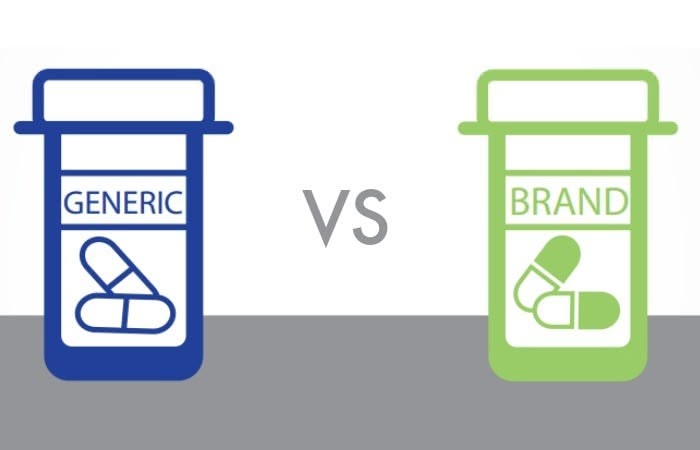
Here’s where things get more complex. Generic medicines are required to demonstrate bioequivalence, not formulation identity.
What does that mean in practice? It means the overall exposure to the active drug must fall within an accepted range when averaged across a group of people. It does not mean every tablet dissolves at exactly the same speed, uses identical inactive ingredients, or feels identical to every individual person.
Inactive ingredients, often called binders, fillers, or excipients, can vary between manufacturers. These substances don’t change what modafinil is or how it works fundamentally. However, they can influence:
- How quickly the tablet breaks down in your digestive system
- How the drug is absorbed into your bloodstream
- How well you tolerate the medication
For most people, these differences are clinically insignificant. You wouldn’t notice any variation at all. For some people, especially those sensitive to stimulants or prone to side effects, these differences can be noticeable enough to matter.
Research on generic medications more broadly shows this pattern isn’t unique to modafinil. Across many drug classes, a small subset of patients report differences when switching between manufacturers, even though the medicines are considered equivalent at the population level. This helps explain why reports of variability can coexist with strong evidence that generics work as intended.
What people report in real-world use
User discussions about modafinil brands consistently reflect this split experience.
Many people report no meaningful difference between brands whatsoever. They simply choose based on what’s available or what costs less. The medication works the same way regardless of which generic they take.
Others describe clear preferences. They cite noticeable changes in:
- Wakefulness strength or duration
- Headache frequency
- Dry mouth or other side effects
- Anxiety levels
- How easily they fall asleep later in the day
Importantly, these reports aren’t consistent across individuals. A brand that feels “too strong” or causes discomfort for one person may work perfectly well for another. Without independent chemical testing of specific batches, it’s impossible to know whether perceived differences stem from excipients, dose timing, hydration status, drug interactions, or individual metabolism.
What can be said with confidence is that subjective variability exists, even when the active drug chemical structure doesn’t change.
Manufacturer, price, and appearance
Another practical difference among online modafinil products is who makes them. Well-known manufacturers include Sun Pharmaceutical Industries, Cipla, and Healing Pharma.
Manufacturing standards and quality control practices can vary slightly by company, although all reputable manufacturers aim to meet established pharmaceutical benchmarks. Companies in countries with strong regulatory oversight typically maintain consistent quality control processes.
Cost is also a major factor. Generic products are typically far less expensive than brand-name modafinil. A month’s supply of brand-name Provigil can cost hundreds of dollars, while generic versions may cost a fraction of that amount. Prices can differ noticeably even between different generic manufacturers and retailers.
Tablet shape, color, and markings may vary as well. One manufacturer might produce white round tablets, while another uses oval tablets with different scoring. These visual differences can reinforce the sense that products are different even when the active ingredient remains the same.
Modafinil versus armodafinil products
Alongside modafinil, many people encounter armodafinil products such as Waklert or Artvigil. This represents a related but chemically distinct comparison worth understanding.
As mentioned earlier, modafinil contains both R- and S-enantiomers (mirror-image molecules). Armodafinil contains only the R-enantiomer, which is the longer-lasting form.
Because of this difference, armodafinil tends to maintain higher blood levels later in the day and may feel more sustained for some users. Clinically, a 150 mg dose of armodafinil is often considered roughly comparable in overall wakefulness effect to 200 mg of modafinil, though individual responses vary.
The key point: differences between modafinil and armodafinil reflect actual chemistry, not just branding or formulation variables. You’re taking a chemically different medication, not just a different manufacturer’s version of the same drug.
Putting it all together
When people ask whether one modafinil brand is “better” than another, the most accurate answer is also the least satisfying.
Chemically and pharmacologically, the active drug is the same across generic manufacturers. The modafinil molecule doesn’t change. The fundamental way it works in your brain doesn’t change. Blood level curves should be similar when averaged across groups of people.
At the same time, differences in formulation, individual sensitivity, expectations, and even factors like when you took the dose or what you ate can shape how a given product feels in practice.
For most users, these differences are minor or nonexistent. For a smaller group, they’re real enough to influence preference and daily experience. Both realities can coexist without contradicting the underlying pharmaceutical science.
The bottom line
Popular online modafinil products contain the same active drug: racemic modafinil. Generic medications are required to be bioequivalent to brand-name drugs, meaning they deliver comparable amounts of active ingredient to your bloodstream. However, bioequivalence doesn’t mean formulation identity.
Most people experience no meaningful difference between brands and simply choose based on cost or availability. A subset of users report noticeable changes in effects or side effects when switching manufacturers. These experiences are valid even when the active chemistry remains constant.
Practical differences like manufacturer reputation, price, and tablet appearance exist but don’t change the fundamental drug action. If you’re considering switching between modafinil products, the most important factors are working with a qualified healthcare provider and monitoring your own response.
Understanding these distinctions helps explain why modafinil can be both consistent on paper and variable in lived experience, without assuming that one brand is inherently superior to another.
Individual responses to medications vary. Medical decisions about medication selection and use should involve a qualified healthcare professional who can evaluate your specific situation and monitor your response.
References
- Dunne, S., Shannon, B., Dunne, C., & Cullen, W. (2013). A review of the differences and similarities between generic drugs and their originator counterparts, including economic benefits associated with usage of generic medicines, using Ireland as a case study. BMC Pharmacology and Toxicology, 14, 1. https://doi.org/10.1186/2050-6511-14-1
- Greenblatt, K., & Adams, N. (2023). Modafinil. In StatPearls. StatPearls Publishing. https://www.ncbi.nlm.nih.gov/books/NBK531476/