Does Modafinil Harm the Liver? A Synthesis of Clinical Safety, FDA Guidance, and Metabolism
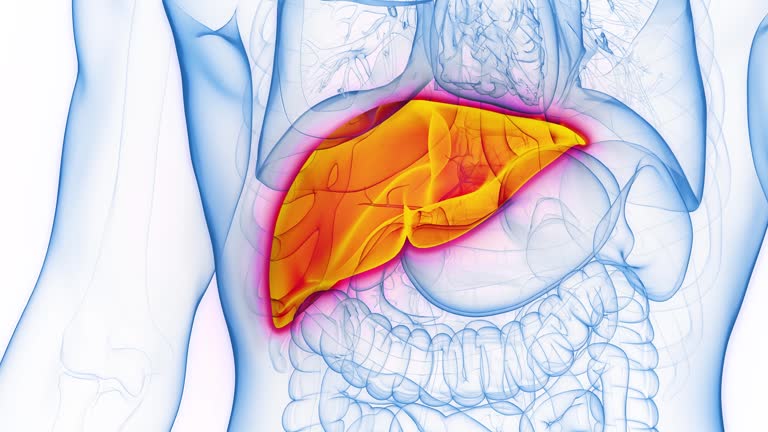
Modafinil does not harm the liver in people with normal liver function. Across more than 3,500 patients in clinical trials and decades of post-marketing use, it has not been linked to clinically apparent drug-induced liver injury. The key exception is severe liver disease, where slower drug clearance raises blood concentrations and requires halving the standard dose.

Liver safety in routine use
Transient liver enzyme elevations occurred in fewer than 1% of patients in controlled trials. These changes were mild and self-limited. No cases of clinically apparent liver injury have been confirmed despite widespread use since 1998.
LiverTox, the National Institutes of Health database tracking drug-induced liver injury, assigns modafinil a likelihood score of E: unlikely to cause clinically apparent liver injury. This reflects absence of confirmed cases across substantial real-world exposure, not limited study.
Routine liver monitoring is not required for people without pre-existing liver disease.
Why liver disease changes dosing
When liver function declines, the body clears modafinil more slowly. Higher blood concentrations persist longer, increasing the risk of side effects like insomnia, anxiety, and cardiovascular strain.
U.S. prescribing guidance recommends reducing the standard 200 mg daily dose to 100 mg in severe hepatic impairment. This addresses drug accumulation, not liver damage risk. The prescribing guidance specifies dose reduction only for severe hepatic impairment.
Metabolism is not toxicity
Modafinil is extensively metabolised in the liver, primarily through CYP3A4. This leads to the assumption that it is hard on the liver. That assumption is wrong.
Most drugs metabolised in the liver do not damage it. Regulatory data show small average increases in certain liver enzymes compared with placebo, but few patients had values outside normal ranges. These changes did not progress to liver injury or dysfunction.
The liver processes modafinil. It does not target it.
Rare immune reactions
Serious liver involvement occurs only as part of rare systemic hypersensitivity reactions, including Stevens-Johnson syndrome, toxic epidermal necrolysis, and drug reaction with eosinophilia and systemic symptoms. Liver abnormalities in these cases reflect immune response, not direct toxicity.
These reactions are uncommon, typically appear within five weeks of starting treatment, and require immediate discontinuation.
Evidence from animal models
Animal studies of liver inflammation and fibrosis show modafinil does not worsen injury. In some models, it reduced inflammatory and fibrotic markers. These findings do not establish therapeutic use in humans but contradict the idea of intrinsic liver toxicity.
Gaps in advanced liver disease data
Long-term safety data in people with advanced or unstable liver disease remain limited. Such patients are typically excluded from clinical trials. This reflects study design, not evidence of harm.
Outside severe impairment requiring dose reduction or rare immune reactions, no signal indicates modafinil damages the liver.
Sources
- National Institute of Diabetes and Digestive and Kidney Diseases. (2021, August 18). Modafinil. In LiverTox: Clinical and research information on drug-induced liver injury. National Institutes of Health. https://www.ncbi.nlm.nih.gov/books/NBK548274/
- Choi, S., Kim, J. A., Li, H., Jo, S. E., Lee, H., Kim, T. H., Kim, M., Kim, S. J., & Suh, S. H. (2021). Anti-inflammatory and anti-fibrotic effects of modafinil in nonalcoholic liver disease. Biomedicine & Pharmacotherapy, 144, 112372. https://doi.org/10.1016/j.biopha.2021.112372
- Youssef, M., Shata, A., Abdelmaksoud, Y., Youssef, W., Awad, R., Sediek, H., Hasanin, E., Rashwan, B., Ghorabah, Y., Yehia, A., Hamad, A., Said, Z., Abdelglil, M., Hellal, D., & Rashad, D. (2026). Protective effects of modafinil against α-naphthylisothiocyanate-induced cholestatic liver injury in mice: Insights into inflammation and apoptosis modulation. Future Journal of Pharmaceutical Sciences, 12, Article 9. https://doi.org/10.1186/s43094-025-00926-z
- Greenblatt, K., & Adams, N. (2023). Modafinil. In StatPearls. StatPearls Publishing. https://www.ncbi.nlm.nih.gov/books/NBK531476/
- U.S. Food and Drug Administration. (2015). PROVIGIL® (modafinil) tablets, for oral use, C-IV: Prescribing information. U.S. Department of Health and Human Services. https://www.accessdata.fda.gov/drugsatfda_docs/label/2015/020717s037s038lbl.pdf